Introduction
The Belt and Road Initiative (BRI), established in 2013, intends to connect East Asia and Europe through economic initiatives. The project has spread across Africa, Oceania, and Latin America, increasing China’s economic and political influence (Gürcan, 2022aGürcan, E.C. (2022a). Deciphering the Chinese economic miracle: Lessons for the developing world. Belt & Road Initiative Quarterly, 3(2), 46-75.). However, some experts see it as an extension of China’s expanding strength, while the U.S. is concerned about China-led economic growth (McBride, 2023McBride, J. (2023). China’s massive belt and road initiative. Council on Foreign Relations. Retrieved November 2, 2023 from). Driven by rivalry with the United States, economic expansion, and regional development, China’s BRI constructs trade channels, strengthens power, and develops interdependence (Jie & Wallace, 2021Jie, Y., & Wallace, J. (2021, September 13). What is China’s Belt and Road Initiative (BRI)? Retrieved September 16, 2023 from). China’s declared national goals for the BRI are to complement regional development through economic integration, upgrade Chinese industry while exporting higher industrial standards, and address excess industrial capacity challenges (Hu, 2019Hu, B. (2019). Belt and Road Initiative: five years on implementation and reflection. Global Journal of Emerging Market Economies, 11(1–2), 1–10.). China’s BRI has impacted Africa, investing in fifty-two out of fifty-four nations, and planning to enter the 53rd market in Sao Tome and Principe. Over 90% of the fifty-four nations have signed Memoranda of Understanding (MoUs), with half in West Africa and the other half in East, North, and Southern Africa (Venkateswaran, 2020Venkateswaran (2020). The source article does not provide a separate full bibliographic entry for this citation.). China’s position toward Africa has become more firmly established as a result, and the country’s influence there in terms of politics and the economy has grown.
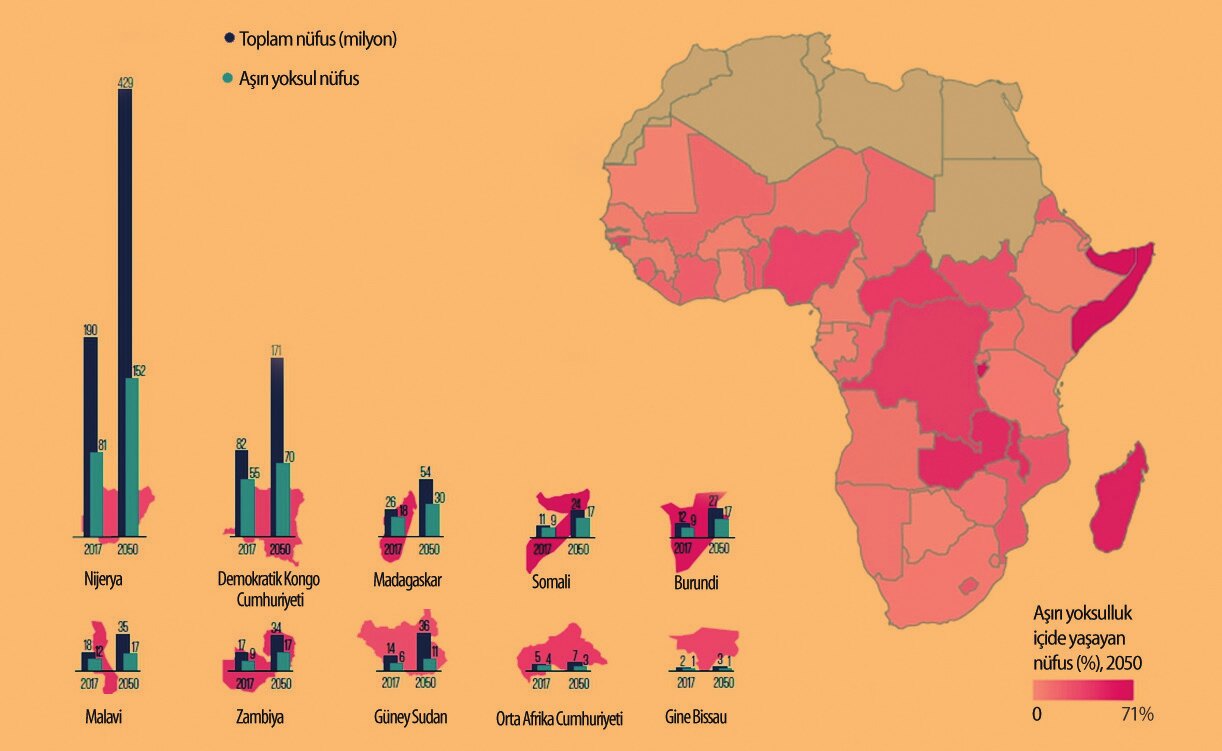
Nigeria, also known as the “giant of Africa,” is undoubtedly the most significant country and home to the continent’s greatest population. Like most of Africa, Nigeria is still underdeveloped despite its wealth of natural resources and colossal landmass, with 63% of its people living below the poverty line (National Bureau of Statistics, n.d.ssrn.3881673. About | National Bureau of Statistics. (n.d.). Retrieved August 10, 2 0 2 3 f r o m). Any country must focus on development since it is essential to raising residents’ living conditions and reducing poverty. Development is crucial in Nigeria’s case since it can help reduce the nation’s extreme poverty rate and foster social and economic stability. With more than two hundred million people, Nigeria’s development is essential for creating jobs and ensuring the residents’ long-term well-being. Nigeria is one of the African countries that has attracted the most significant Chinese investment. By 2021, cumulative investment had surpassed 20 billion USD, primarily in the development of free-trade and export-processing zones, oil extraction, home appliances and automobile assembly, agricultural production, and so on (Jianchun, 2023Jianchun, C. (2023, January 20). China-Nigeria Cooperation in the New Era. Retrieved October 13, 2023 from). These investments have had a profound effect on the country. Certainly, Nigeria also draws international investment and diversifies its economy by spending money on infrastructure and education, which could pave the way for long-term growth and prosperity. In particular, infrastructure development is critical in Africa to fuel economic development and provide a better standard of living for the people. This includes the need for portable drinking water, reliable electricity, effective transportation, and cutting-edge information technology. (Nuke, 2021Nuke, F. W. (2021). The Opportunity for Local Economic Growth under the Belt and Road Initiative in Nigeria - UCLG-ASPAC BRLC. Retrieved September 19, 2023 from; Senadjki et al., 2022). In this context, Nigeria has recently accomplished some developmental goals thanks to the BRI project. The China-led BRI project has significantly aided Nigeria’s efforts to develop its infrastructure. Through investments in the transportation, energy, and telecommunications sectors, the BRI has greatly helped enhance connectivity within the country and stimulate economic growth. This being said, additional efforts are still necessary to adequately address Nigeria’s infrastructure demands and ensure sustainable growth for its inhabitants.
This article aims to examine the socioeconomic impact of Chinese investments in Nigeria and provide an assessment of the long-term viability of these investments in Nigeria’s economy. The analysis will also assess the alleged practice of ‘debt trap diplomacy’by China through the BRI and its potential consequences for Nigeria’s economic independence. The study also evaluates the efficacy of Nigeria’s strategies in overcoming potential challenges and maximizing the benefits of the BRI. In doing so, it will contribute to the existing literature on understanding China’s global economic expansion, Chinese-Nigerian relations, and the prospective outcomes for both parties involved. The study of Chinese investment under the BRI in Nigeria can reveal its impact on infrastructure, trade, employment, and local industries and shed light on the opportunities and challenges presented by Chinese investment.
This research employs process tracing as its core methodology, enabling a qualitative and interpretative analysis of social processes through empirically-backed logical inferences. By focusing on the tools, motivations, priorities, perceptions, and opportunities of social actors, process tracing emphasizes the importance of critical junctures or historical turning points (Gürcan & Donduran, 2023Gürcan, E.C. & Donduran, C. (2023). The economic and institutional dynamics of China’s growing financial influence: a “structural power” perspective. The Japanese Political Economy, 49(1), 109-135.). In what follows, therefore, this research will review the historical development of the China-Nigeria relationship to establish the basis for the current surge of Chinese investments in Nigeria. Furthermore, it will assess the industries in which these investments are focused and the influence of the entire process on Nigeria’s economic expansion and progress. Analyzing the socioeconomic effects on Nigeria would allow us to assess the overall effect of the BRI in supporting economic development, promoting sustainable development and eliminating economic inequities in the country. In addition, our process tracing will examine the concept of “debt trap diplomacy” to gain insight into both the Western and Chinese perspectives. It aims to comprehend why certain critics contend that Chinese investments could potentially result in a significant financial burden for Nigeria, which will help us determine whether this thesis is rooted in a biased perspective.
Since the Chinese Revolution, Africa has been within the orbit of Chinese foreign policy, with the PRC foreign ministers visiting African countries annually since 1950 (Vines et al., 2023Vines et al. (2023). The source article does not provide a separate full bibliographic entry for this citation.). The Sino-African relationship is not a recent development; it first emerged in the 1950s, when China started supporting African nations in their struggle for independence. China’s interactions with Africa can be traced back to the Ming Dynasty era, although improved contacts became frequent after 1949. African backing was critical for China’s diplomatic fights and U.N. admission (Rich & Recker, 2013Rich, T., & Recker, S. (2013). Understanding Sino-African Relations: Neocolonialism or a New Era? Journal Of International and Area Studies, 20(1), 61–76.). Sino-African relations also became stronger during the Afro-Asian Solidarity Movement dating back to the Bandung Conference in Indonesia in 1955, when 29 African and Asian states united around China, indicating a solid foundation in relations (Traoré, 2021Traoré, S. E. (2021). The strategy of China in Sino-African relations. Open Journal of Political Science, 11(04), 614–629.). China’s engagement with Africa further intensified in the 21st century, marked by the establishment of the Forum on China-Africa Cooperation (FOCAC) in 2000. This partnership has witnessed significant growth in various sectors, including infrastructure development, technology transfer, and capacity building initiatives.
Nigeria, like other African nations formerly under British colonial rule, attained independence in 1960. However, in the 1980s, oil accounted for 87% of export earnings and 77% of federal government revenue, which made the country heavily dependent on oil, and while this might have been seen as a win for the country, it was merely a resource curse. The resource curse is a phenomenon in which the utilization of natural resources does not result in wider economic growth and wealth for the populace (Gürcan, 2022b, 57Gürcan, E.C. (2022a). Deciphering the Chinese economic miracle: Lessons for the developing world. Belt & Road Initiative Quarterly, 3(2), 46-75.). Although the country generates substantial income from oil rents, the lack of proper management, corruption, and insufficient governance mechanisms resulted in a scenario where the country did not experience significant economic growth and development (Chukwuma, 2014Chukwuma (2014). The source article does not provide a separate full bibliographic entry for this citation.; Kanu, 2022Kanu, P. P. (2022). Nigeria’s Economic Performance: Gains and Pains Since Independence. Voice of Nigeria. Retrieved September 30, 2023 from). Sino-Nigerian relations in the beginning were not rosy due to Nigeria’s close ties with the United States and its skepticism towards communist ideology. Like other African nations in the 1960s and 1970s, Nigeria recognized China as a developing nation. However, it chose not to pursue commercial or diplomatic ties in favor of concentrating on nations in Europe and North America (Utomi Pat, 2008Utomi Pat (2008). The source article does not provide a separate full bibliographic entry for this citation.). This was primarily due to Nigeria’s recent independence and the need to uphold the ideologies of its former colonial rulers. It should also be noted that Nigeria supported the United States during the Cold War crisis. Since the United States was a close ally of its former colonial ruler, it is safe to say that this influenced Nigeria’s decision to establish ties with China.
Nigeria’s pro-western posture after independence influenced its foreign policy towards China, resulting in an initial refusal of China’s proposed diplomatic relations in 1964 (Oluwabiyi & Duruji, 2021Oluwabiyi, A., & Duruji, M. (2021). The implication of Nigeria-China relations on the actualization of sustainable food security in Nigeria | Acta Universitatis Danubius. Relationes internationales. Universitatis Danubius. Relationes Internationales, 14(1), 51–61. Retrieved October 25, 2023 from). During the dictatorship of Sani Abacha, however, Nigeria pursued a “Look East” foreign policy, expanding the Beijing-Abuja political alliance and fostering trust (Ramani, 2016Ramani, S. (2016). China-Nigeria relations: a success story for Beijing’s soft power. Retrieved October 28, 2023 from The Diplomat website). In 1971, China and Nigeria established formal diplomatic ties. This was because Western powers harshly criticized Nigeria’s military administrations, and Nigeria began looking to the East for alternative strategic relationships, which set the stage for the current context.
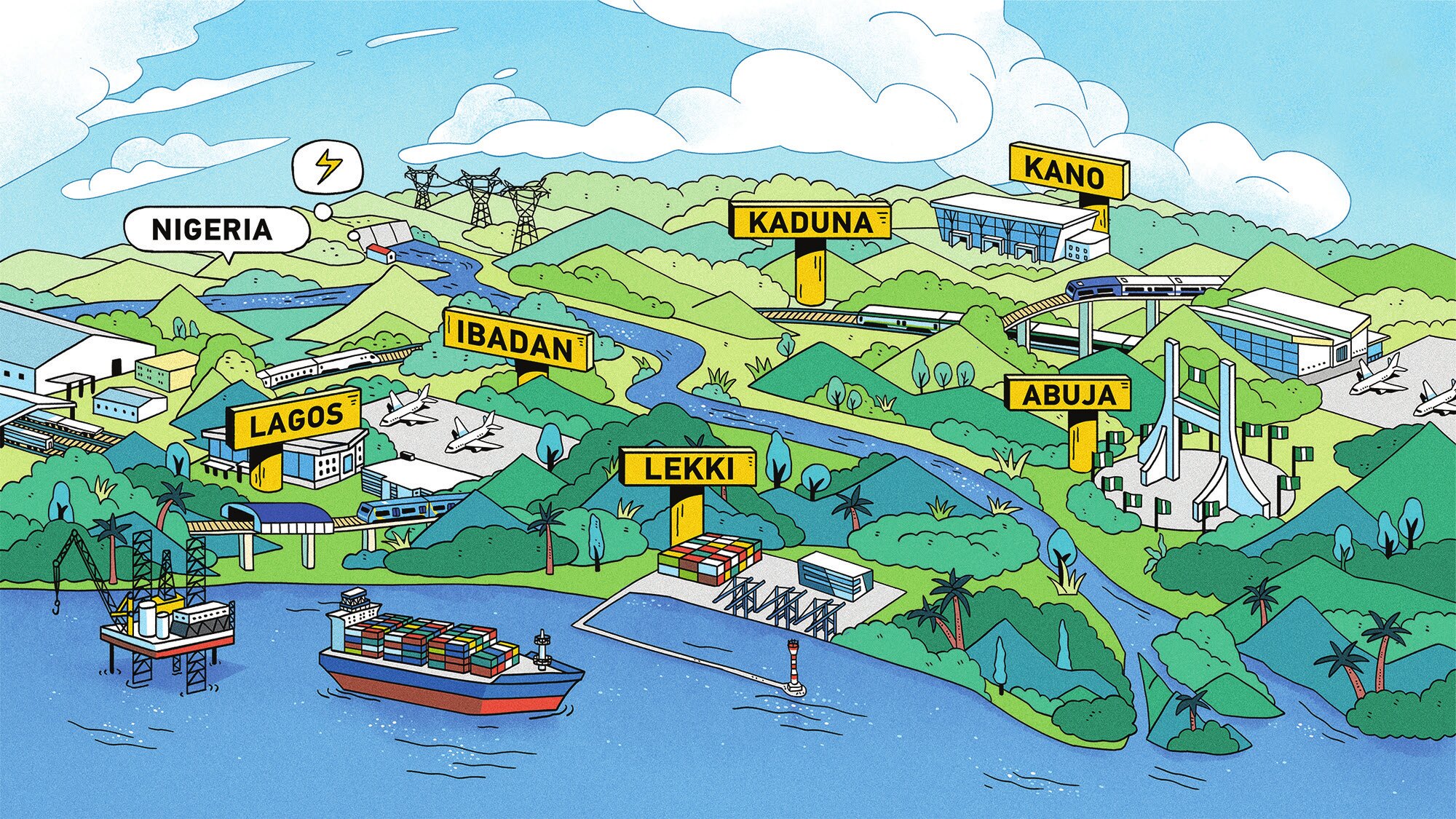
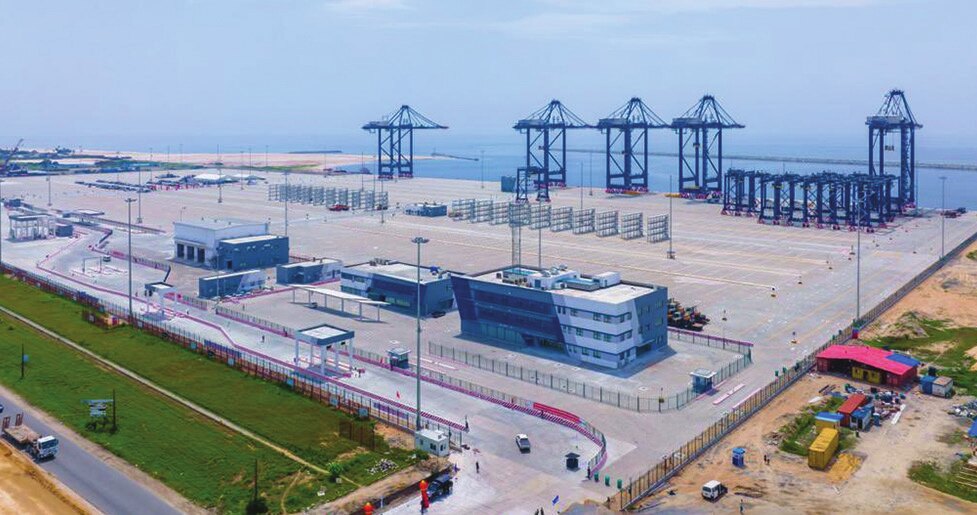
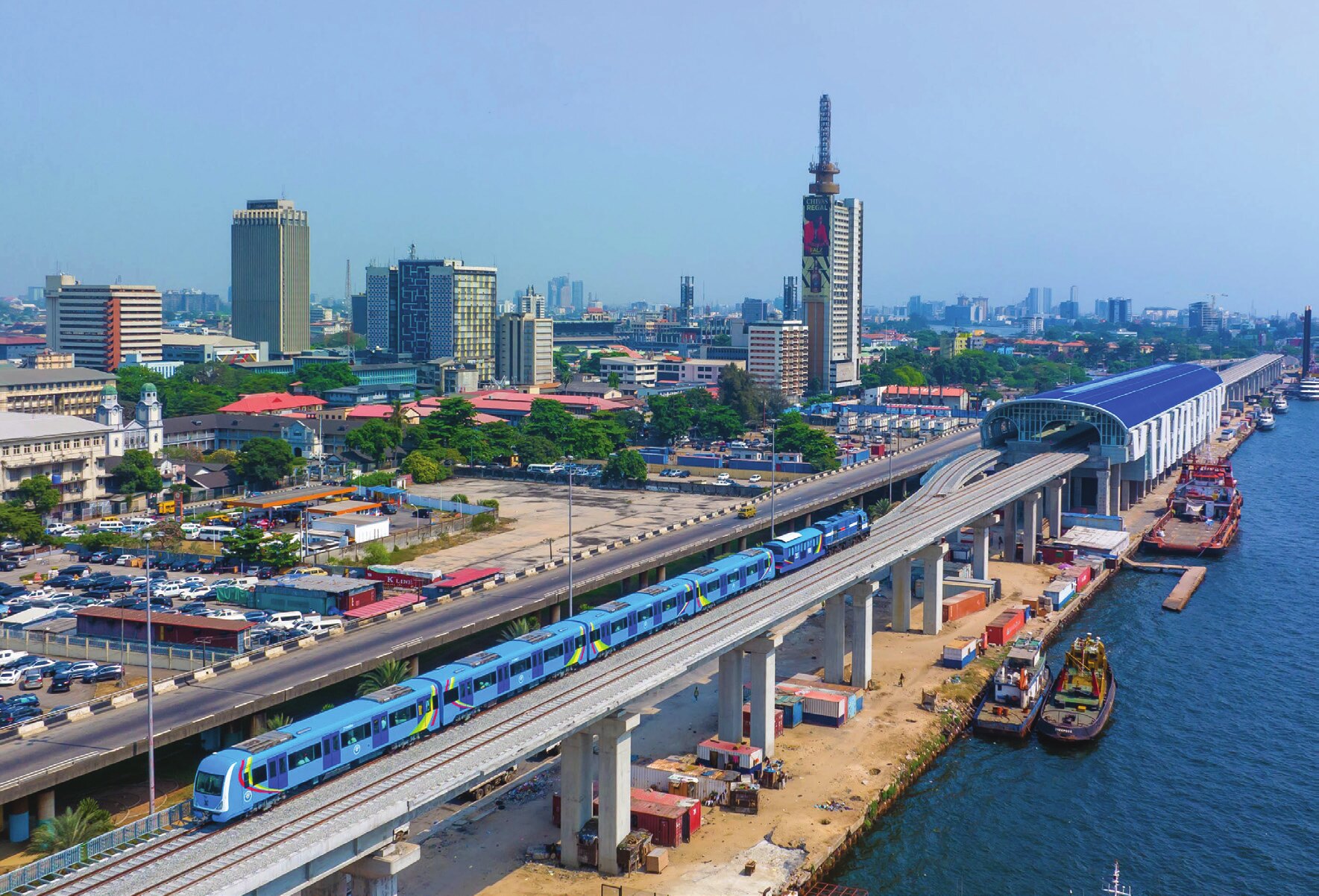
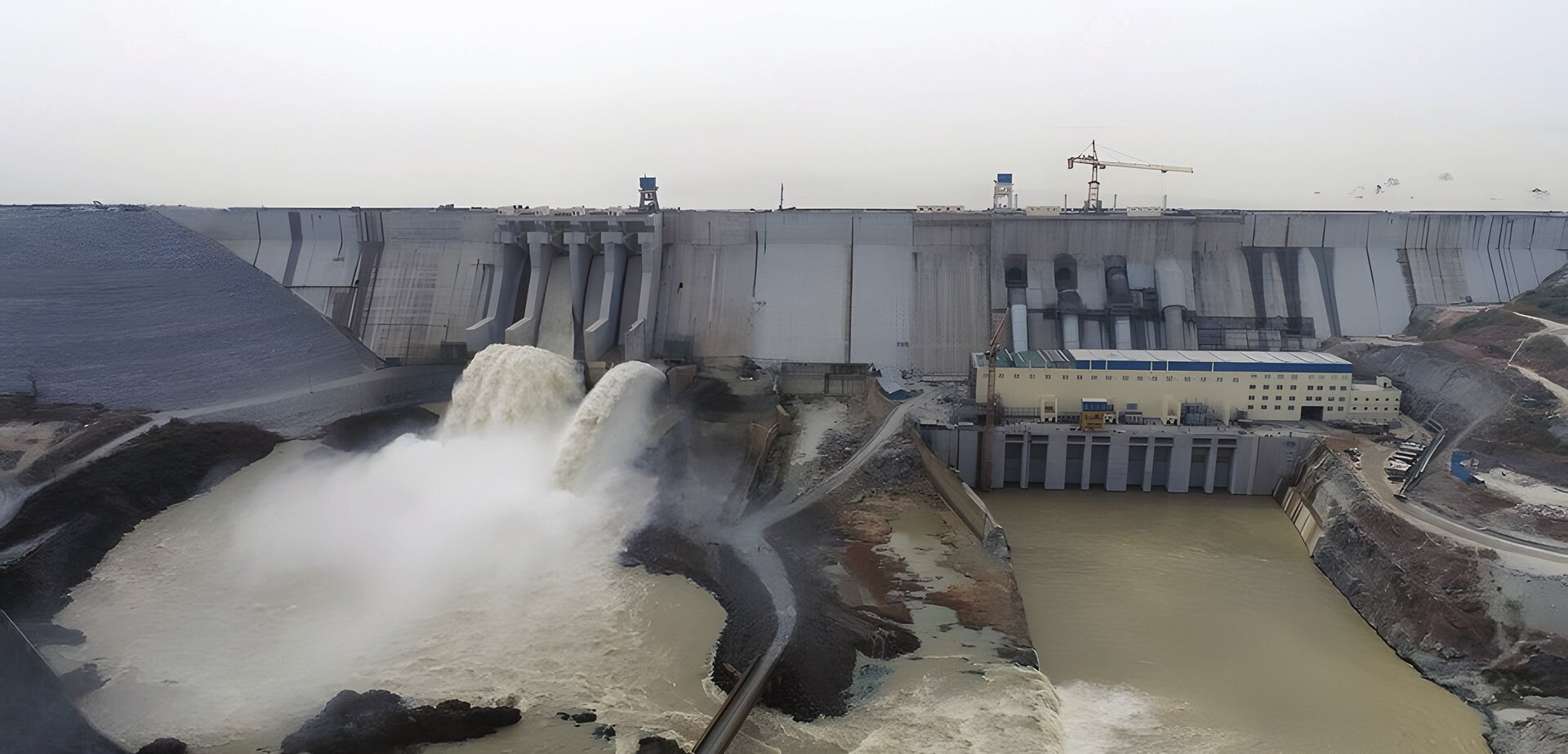
China has consistently shown respect towards Nigeria and other African nations, treating them as equals without exerting dominance. As a result, Nigeria has become China’s largest contractor market, second largest trading partner, and a significant investment destination in Africa. In 2018, Nigeria entered into a cooperative agreement with China known as the Belt and Road Initiative. This collaboration resulted in the successful completion of significant undertakings including the Lekki Deep Sea Port, Zungeru Hydroelectric project, Lagos-Ibadan train route, Abuja-Kaduna rail line, Abuja-Keffi-Lafia-Makurdi road dualization, and multiple airport terminals. Nigeria is dedicated to strengthening Belt and Road collaboration with China and augmenting its ties with China (Jianchun, 2023Jianchun, C. (2023, January 20). China-Nigeria Cooperation in the New Era. Retrieved October 13, 2023 from).
The overall outlook on the BRI and Africa is mixed. Some argue that it has brought much-needed infrastructure development and economic growth to the continent, while others raise concerns about debt sustainability and the potential for resource exploitation. It has already been established that the BRI is a collaborative framework designed to foster industrialization and stimulate economic development in underdeveloped countries through South-South cooperation (Zhang, 2023Zhang, K. (2023). Can the Belt and Road Initiative Promote the Industrialization of Developing Countries? Global Journal of Emerging Market Economies, 15(2), 215–233.). Guoqiang (2015Guoqiang, C. (2015). The Belt and Road: A Mission to Benefit Two-Thirds of the World. Horizons: Journal of International Relations and Sustainable Development, 4, 154–161. Retrieved October 26, 2023 from) investigates the many ramifications of China’s ‘Belt and Road’ project, focusing on its global economic impact, connectivity objectives, and China’s envisioned role. He emphasizes the initiative’s potential to boost trade, regional integration, and infrastructure development throughout Asia, Europe, and Africa. According to Guoqiang (2015Guoqiang, C. (2015). The Belt and Road: A Mission to Benefit Two-Thirds of the World. Horizons: Journal of International Relations and Sustainable Development, 4, 154–161. Retrieved October 26, 2023 from), the BRI promotes shared benefits, non-exclusivity, and peaceful cooperation in addressing global challenges in the areas of policy cooperation, infrastructure investments, and mutual economic potential. Some scholars, however, contend that China will eventually face difficulties because of the BRI, particularly in terms of debt sustainability and geopolitical tensions. Peredy, Wang, Jiaxuan, & Zheng (2023Peredy, Z., Wang, J., Jiaxuan, S., & Zheng, C. (2023). Impact assessment of Belt and Road Initiative on Chinese economy and society. Acta Periodica, (28), 18–40.) examine the hazards involved with China’s BRI, focusing on economic, political, and social issues. Economically, the plan is vulnerable owing to significant infrastructure investments, potential debt defaults, and geopolitical resistance from the United States and regional countries. Infrastructure projects cause societal instability, political transitions, and environmental sustainability concerns. These risks exacerbate the BRI’s difficulties, necessitating careful planning, diplomatic dexterity, and proactive steps to navigate economic progress, geopolitical dynamics, and social and environmental sustainability.
In addition, Liu, Zhang, & Xiong (2020Liu, W., Zhang, Y., & Xiong, W. (2020). Financing the Belt and Road initiative. Eurasian Geography and Economics, 61(2), 137–145.) are of the opinion that even though China offers financial assistance for the BRI projects through several means, including grants, concessional loans, development finance, commercial loans, and dedicated funds, the amount of financial resources raised for the BRI project is inadequate when compared to the substantial need for investments in BRI nations, especially in the development of infrastructure. The BRI has sparked debates about China’s growing influence and its impact on global power dynamics. According to Zhou and Esteban (2018Zhou, W., & Esteban, M. (2018). Beyond Balancing: China’s approach towards the Belt and Road Initiative. Journal of Contemporary China, 27(112), 487–501.), secondary powers frequently employ soft balancing methods, which involve offsetting perceived threats from dominating nations through diplomatic, economic, and institutional means. In their view, China uses the BRI to oppose U.S. attempts and increase its influence across Eurasia in the Sino-U.S. rivalry.
The BRI promotes economic interdependence while establishing political power over Eurasian allies and challenging U.S. dominance. Its ability to persuade allies and adversaries to accommodate strategic interests allows China to challenge U.S. power without directly engaging in combat. From a Western-centric perspective, thereby, the BRI is seen as a means for China to exert its political and economic power, and it is perceived as an integral component of a wider strategy aimed at exerting regional and global influence. Furthermore, it is perceived as a threat to the economic security of the United States because it has the potential to put the United States at a disadvantage in its economic interactions with countries participating in the initiative and the United States’ economic relations with China (Boutin, 2019Boutin, K. (2019). Challenging security: the United States and the Belt and Road initiative. China and the World, 02(01), 1950007.).
He (2018He, B. (2018). The Domestic Politics of the Belt and Road Initiative and its Implications. Journal of Contemporary China, 28(116), 180–195.) proposes a dual perspective on the BRI and U.S. power play. He believes the BRI’s management complexities and centralization within the Chinese system have both facilitated and impeded its progress. The initiative’s allegedly top-down approach allows for swift and massive projects but also poses significant risks due to a lack of accountability and susceptibility to corruption. China’s investment strategy reflects a regime affinity, favoring states like Pakistan, Russia, and Indonesia while facing resistance from Western democratic allies due to differing ideologies. This distinction in regime affinity contributes to the varying responses toward BRI among democratic and authoritarian states. From a Western perspective, there are growing concerns about China’s growing influence, and on the other hand, there are more balanced perspectives that present the BRI as promoting economic development, connectivity, and cooperation, which is evident in the member countries of the BRI (Malik, 2020Malik, T. H. (2020). The Belt and Road Initiative (BRI) project legitimisation: The rhetor’s innovation and the U.S. response. Asian Journal of Comparative Politics, 7(4), 1070–1094.).
The BRI has been criticized due to China’s so-called “debt trap” diplomacy, in which countries owe BRI loans to Beijing, allegedly echoing neocolonial practices. The BRI’s success is dependent on persuading member countries of its benefits and building momentum. However, major nations such as the United States, India, and Japan are skeptical, complicating its legitimacy and worldwide acceptance (Deng, 2021Deng, Y. (2021). How China builds the credibility of the Belt and Road initiative. Journal of Contemporary China, 30(131), 734–750.). Freeman & Tugendhat (2023Freeman, C., & Tugendhat, H. (2023). Why China is Rebooting the Belt and Road Initiative. Retrieved November 27, 2023 from) are of the opinion that the projects in BRI countries have resulted in corruption, negative environmental effects, and abuses of human rights, leading to the loss of biodiversity and increased pressure on water resources. The lack of transparency in China and the concerns around debt sustainability further exacerbate these matters. But it is important to note that corruption does not stem from the BRI projects but rather from existing systemic issues within the countries involved. Additionally, critics argue that the negative impacts of the BRI projects are not unique to China, as similar issues have been observed in infrastructure projects led by other countries. Contrary to Western powers historical advantage in Africa through colonial ties and cultural influence, China’s soft power in the region has been less pronounced. While Western nations utilized language, culture, and aid agencies to bolster soft power, China’s approach has diverged. Instead of traditional agencies, China’s soft power centers around the ‘Beijing consensus’ a developmental approach emphasizing unique solutions tailored to individual states and a willingness to experiment and innovate (Farooq, Feroze, & Yuan, 2019Farooq, M., Feroze, N., & Yuan, K. (2019). An Analysis of China and Africa Relations with Special Focus on ‘One Belt and One Road.’ India Quarterly: A Journal of International Affairs, 75(3), 366–379.; Gürcan, 2019Gürcan, E.C. (2019). Multipolarization, South–South Cooperation, and the Rise of Post-Hegemonic Governance. Routledge.). The shifting dynamics of Nigerian leaders and their policies have shaped the country’s relationship with China and its trade relations. From 1999 to 2019, Nyiayaana and Jack (2021Nyiayaana, K., & Jack, J. T. C. B. (2021). Chinese Investments in Nigeria and the Political Economy of Trade, 1999 - 2019: A leadership perspective. The Journal of Leadership and Developing Societies, 6(1), 10–29.) investigated the relationship between Chinese investments in Nigeria and the political economics of trade. Nigeria improved its trading connections with China during the Obasanjo administration but concerns about Chinese imports arose. During the Yar’Adua administration, the emphasis shifted from trade to foreign affairs and diplomacy. The Jonathan/ Buhari era witnessed a return to tighter economic connections with China, with an emphasis on infrastructure development, energy projects, and investments in the oil sector. These economic connections led to a significant increase in Chinese investments in Nigeria, particularly in the infrastructure and energy sectors. Additionally, the partnership between the two countries resulted in the establishment of joint ventures and collaborations, further strengthening their trade relations. Chinese investment increased dramatically, particularly in infrastructure projects such as roads, trains, and ports. Raji & Ogunrinu (2018Raji, S. A., & Ogunrinu, A. (2018). Chinese Investment and Its Implications for Nigeria’s Economic Security. Brazilian Journal of African Studies, 3(6), 123–142.) hold the view that Chinese investments are not completely harmless to these African states, as other Western-centric scholars have argued.
In contrast to the above opinion, Breuer (2017Breuer, J. (2017). Two belts, one road? The role of Africa in Chinas belt and road initiative. Stiftung Asienhaus.) emphasizes China’s positive image in Africa, which is linked to low-cost Chinese goods and China’s economic and infrastructure developments. Additionally, using the difference-in-difference model in his research, Chen (2023Chen, Z. (2023). The impact of the belt and road infrastructure development on the economic growth of the partner countries. Global Journal of Emerging Market Economies, 15(2), 254– 272.) demonstrates that the BRI has had a favorable economic effect on the 130 nations included in the initiative. This effect is primarily attributed to investments in infrastructure and the promotion of common growth principles, which have led to increased trade, improved connectivity, and enhanced economic growth. This being said, the existing body of literature on China-Africa relations frequently exhibits a Western-centric perspective, neglecting to fully comprehend the intricate political-economic dynamics that characterize the relationship between China and Africa. This relationship can be understood as a delicate balance between pursuing strategic domestic objectives and win-win partnerships (Lu, 2023Lu, F. (2023a). China’s State-Business Relationship with Nigeria: Neocolonialism or Strategic Cooperation. Journal of Asian and African Studies, 002190962311542.).
Nevertheless, China’s involvement in Africa has undeniably brought about significant changes in the continent’s economic landscape, with Chinese investments and infrastructure projects contributing to job creation and development, unlike Western-style neocolonialism and imperialist interventionism. As highlighted by Gürcan and Donduran (2023Gürcan, E.C. & Donduran, C. (2023). The economic and institutional dynamics of China’s growing financial influence: a “structural power” perspective. The Japanese Political Economy, 49(1), 109-135.), the BRI is underpinned by a robust normative framework, known as the “Silk Road Spirit,” which emphasizes values like peace, cooperation, transparency, inclusiveness, and mutual learning. This approach stands in stark contrast to the Western “creditor-oriented model,” characterized by structural adjustments, liberal democracy, and conditional loans—a system historically designed by Western powers to maintain their dominance and perpetuate global inequalities. Unlike Western models, the BRI and its related mechanisms reject political conditionality and principles that compromise national sovereignty. Furthermore, the Silk Road Spirit has evolved to incorporate “high-quality development” and “sustainability.” This involves fostering technology-intensive industries and low-carbon investments, alongside initiatives for sustainable development, local community engagement, and inclusive social development practices (Gürcan & Donduran, 2023Gürcan, E.C. & Donduran, C. (2023). The economic and institutional dynamics of China’s growing financial influence: a “structural power” perspective. The Japanese Political Economy, 49(1), 109-135.).
Overview of Chinese Investments in Nigeria
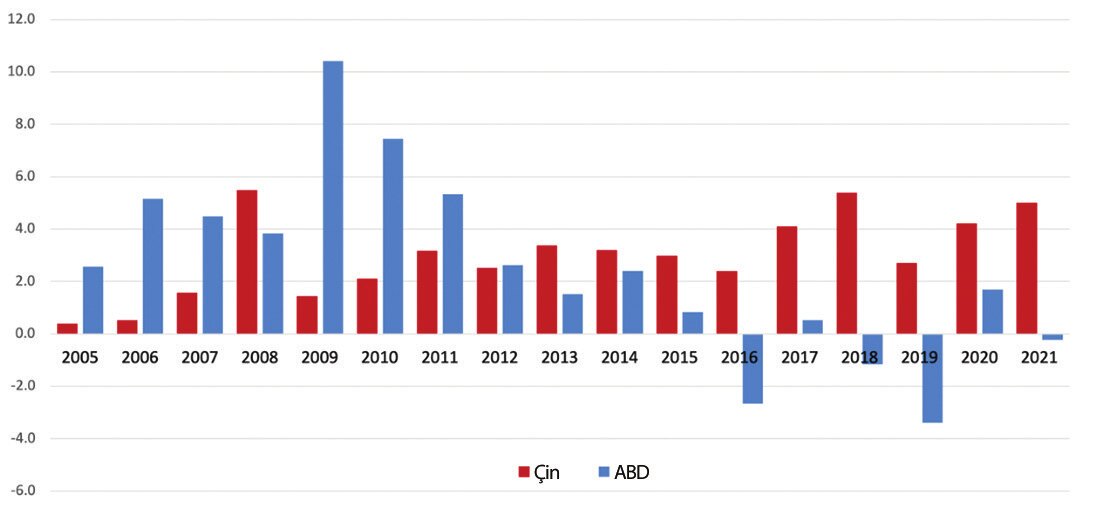
From 2003 to 2018, China’s yearly foreign direct investments in Africa surged dramatically, from $74.8 million to $5.4 billion. China became Africa’s fourth-largest investor when flows resumed to $2.7 billion in 2019 and $4.2 billion in 2020, despite the COVID-19 pandemic (Fu, 2021Fu, Y. (2021a). The quiet China-Africa Revolution: Chinese investment. Retrieved October 31, 2023 from).
Over the years, Chinese investments in Africa as a whole and Nigeria have grown dramatically even overtaking the United States in recent years. They span several industries, including infrastructure, telecommunications, manufacturing, and energy, as seen in Figures 1 and 2. These investments have not only helped Nigeria’s economy thrive, but they have also given the local populace job opportunities. China’s BRI has also strengthened the two nations’ economic relationship, opening the door for further investment projects in Nigeria.
Chinese infrastructure development in Nigeria cannot be disregarded; as part of the BRI, China has continually collaborated with the Nigerian government to expand ports, establish new transportation systems, and modernize existing infrastructure. China is investing in infrastructure in 35 African countries, with a particular emphasis on Angola, Nigeria, and Sudan. Nigeria’s infrastructure rehabilitation efforts have relied primarily on China, specifically the China Civil Engineering Construction Corporation (CCECC) (Amusan, 2022Amusan, T. (2022). What Nigeria can teach us about China’s belt and road. Retrieved October 20, 2023 from). In Nigeria, China is funding the Abuja Rail Mass Transit System and the renovation of the Lagos-Kano line (Yuan & Jianxin, 2009Yuan & Jianxin (2009). The source article does not provide a separate full bibliographic entry for this citation.). Nigeria’s current ports and rail developments, such as the Lekki Deep Sea Port and the Lagos Rail Mass Transit Blue Line, are expected to stimulate economic development and China-Africa collaboration. The projects, which include West Africa’s largest deep-sea port, are estimated to generate $360 billion in economic benefits and 170,000 jobs (Deol, 2023Deol. (2023).China delivers major infrastructure projects in Nigeria. ACE Times. Retrieved February 27, 2023 from). Chinese infrastructure development has expanded to include airport terminals, trains, and ports. Murtala Muhammed International Airport (MMIA), Nnamdi Azikiwe International Airport in Abuja, Aminu Kano International Airport, Akanu Ibiam International Airport in Enugu, and Port Har-court International Airport are among the airport terminals funded by the China Exim Bank facility to the Nigerian government (Okeke-Korieocha, 2022Okeke-Korieocha, I. (2022). Why China funded Nigeria’s new airport terminals – ambassador. Businessday NG. Retrieved October 22, 2023 from).
A robust telecommunications infrastructure is needed to ensure Africa’s economic development in the information age. The use of technology, a defining factor in today’s power dynamics, is crucial for economic growth (Iwuagwu, 2014Iwuagwu, O. (2014). The Revolutionary Years: Nigeria’s Telecommunication Industry, 2001 - 2011. International Journal of Research in Arts and Social Sciences, 7, 23–36. Retrieved 15 September, 2023 from). Nigeria’s journey towards developing its telecommunications facilities began in 1886 with the establishment of a cable link between Lagos and London. Over time, this network was extended to include government buildings in Lagos, Ilorin, and Jebba (Obi, 2014Obi, I. (2014). Telecommunication Reform in China and Nigeria: Same Result, Different Strategies. Journal of International Social Research, 7, 652–669. Retrieved November 3, 2023 from). However, several challenges have impeded the full realization of the telecommunications revolution in Nigeria. These challenges include infrastructural issues, high costs, and a shortage of digital start-ups, which have limited the sector’s impact on the overall economy.
Nonetheless, it is essential to recognize that despite these hurdles, the telecommunications sector has attracted significant foreign investment, amounting to $25 billion, and has created 1,135,000 jobs. This influx of capital and job creation has fostered the country’s growth in service industries and economic activity (Enahoro & Olawade, 2021Enahoro, M. A., & Olawade, D. B. (2021). GSM and the Nigerian Economy: The Journey from 2004 to 2019. International Journal of Economics and Finance, 13(7), 69.).
Chinese corporations have played a pivotal role in recognizing Nigeria’s digital economic potential and investing heavily in telecommunications. These Chinese firms have invested over $16 billion in permanent assets and facilities nationwide (Alajemba, 2018Alajemba, N. (2018). China invests over $16 billion in Nigeria’s telecoms sector. ITEdgeNews. Retrieved August 17, 2023 from). Huawei, a prominent Chinese brand, has been at the forefront of efforts to expand its market share in Nigeria’s telecom industry. They have established partnerships with local businesses to provide cutting-edge technology and infrastructural solutions, thereby contributing to the development of Nigeria’s digital economy. Huawei has made substantial investments in Nigeria, totaling $76 million since 1999. The Nigerian government has also entrust-ed Huawei with the construction of smart cities and e-government software, emphasizing the company’s role in driving technological advancements in the country. Huawei and Globacom have also collaborated to build the Glo2 submarine cable network (Hungerland & Chan, 2021Hungerland, N., & Chan, K. (2021). Assessing China’s Digital Silk Road: Huawei’s engagement in Nigeria. Lse Ideas Digital Ir.). These developments underscore the importance of robust telecommunications infrastructure in stimulating economic growth and fostering international partnerships and technological progress.
Considering that China has recently experienced rapid industrial growth and has a high demand for energy resources, the energy and power sector is another one where Chinese investment has been significant. Nigeria, Africa’s principal oil producer, ranks ninth globally with eighteen pipelines, accounting for 9% of GDP and 90% of export value (Dokua Sasu, 2023Dokua Sasu, D. (2023). Oil industry in Nigeria. Retrieved October 20, 2023 from). According to an African Oil Week analysis, Chinese businesses CNPC, CNOOC, and Sinopec are Africa’s fourth largest energy investors, trailing only BP, Shell, and Eni (Mitchell, 2023Mitchell, C. (2023). FEATURE: China replaces African loans with energy investments amid faltering economy. S&P Global Commodity Insights. Retrieved November 10, 2023 from).
Chinese investment in the energy and power sectors has played a crucial role in enhancing the country’s energy security and promoting sustainable development. Chinese companies, especially the China Exim loan bank, have invested heavily in Nigeria’s oil and gas sector, with significant projects such as the Ajaokuta-Kaduna-Kano (AKK) gas pipeline and the Zungeru hydroelectric power project. The Nigerian National Petroleum Corporation (NNPC) is investing £2.2 billion ($2.8 billion) in the Ajaokuta-Kaduna-Kano pipeline to carry natural gas from southern Nigeria to central Nigeria. The pipeline aims to utilize Nigeria’s excess gas resources for power generation and domestic consumption. The pipeline will carry up to 3,500 million cubic feet of gas per day, with the remainder used as fuel for new power plants and petrochemical industries. The financing is made available by a loan of $2.8 billion from China Export & Credit Insurance Corporation (N.S. Energy, 2020Ajaokuta–Kaduna–Kano (AKK) Gas Pipeline - NS Energy. (2020). Retrieved August 12, 2023 from). The Zungeru project, funded by a loan from China Exim Bank, is planned to generate 2.64 billion kWh of electricity annually, satisfying 10% of Nigeria’s domestic energy needs. It is projected to cost $1.3 billion. Additionally, it will offer facilities for fish breeding, irrigation, flood control, water supply, and employment opportunities for about 2,000 people. In contrast to the federal government’s 25% contribution, the China Exim Bank will provide 75% of the financing (Akintayo, 2022Akintayo, O. (2022). $1.3bn Zungeru hydropower to begin operations Q2 2023. Punch Newspapers. Retrieved October 16, 2023 from).
Implementing these investments in Nigeria, particularly the infrastructure, has not been easy for the Chinese investors as well. With a 66.7 percent crime index, Nigeria is ranked 17th in the world; however, this may be a lower figure because of underreported crime figures. As per the Global Peace Index, the nation has the lowest level of peace, with a non-peaceful index rating of 2.71. The nation is witnessing a rise in terrorism, and it has become the third-largest nation targeted by terrorists. Nigeria is increasingly vulnerable to dangers from drug trafficking, terrorism, and kidnapping. Kidnapping especially is on the rise, and ransom requests from victims’ families are common, and those who cannot afford the ransom are killed (Aderounmu, 2021Aderounmu (2021). The source article does not provide a separate full bibliographic entry for this citation.). Since many infrastructure projects are in rural areas, kidnapping has become a major problem for the workers. Incidents resulting in abductions and casualties among security personnel and workers, including Chinese nationals, have become common due to attacks on work sites such as mines (Erezi, 2022Erezi (2022). The source article does not provide a separate full bibliographic entry for this citation.; Owolabi, 2022Owolabi (2022). The source article does not provide a separate full bibliographic entry for this citation.). In the long run, if the government does not take the necessary steps to ensure the safety of these Chinese workers, the ongoing attacks and kidnappings of these workers will essentially discourage more investors from making investments in Nigeria. Furthermore, it will discourage the project and impede the growth of those regions as well as the country. Another issue that comes with these investments is corruption. African nations are known for their corrupt leaders and governance, especially Nigeria, being the largest and the most corrupt nation in Africa. Due to its policy of non-interference in the internal affairs of countries, China is not in a position to monitor how the funds it provides are used. However, corruption due to deficiencies in the oversight system can lead to delays and inefficiencies in projects.
Socio-Economic Impact of Chinese Investments
Chinese investments under the BRI in Nigeria are expected to have significant socio-economic impacts. It will contribute to the country’s economic growth by creating employment opportunities and stimulating various sectors, such as agriculture, infrastructure, and energy. Infrastructure development projects are critical for both industrialized and developing countries’ long-term development. They entail the development of structures, systems, and facilities that support the economy of a country, including costly technical infrastructure such as highways and bridges (Dalibi & Bello, 2017Dalibi, S. G., & Bello, B. S. (2017). Socio-economic impacts of Chinese government financed infrastructural development projects in Nigeria. Advances in Economics, Business and Management Research, 33, 579–588.). Infrastructure development initiatives not only support economic growth but also improve transportation networks and connectivity, making it easier for people to move goods and services across the nation. Analyzing the socioeconomic impact of Chinese investments is crucial because it allows policymakers and stakeholders to understand the potential benefits and drawbacks of such investments. The presence of Chinese investments in Nigeria has had a substantial influence on the country’s socio-economic terrain, namely in areas such as infrastructure, industry, energy, and technology. These investments have improved connectivity, alleviated transportation, and strengthened trade, promoting economic growth. In addition, they have generated employment prospects in several industries, thereby accommodating a substantial segment of Nigeria’s labor force.
Unemployment in Nigeria has been a persistent and formidable obstacle, with a significant number of Nigerian graduates actively searching for employment prospects. Available data suggest that Nigeria’s unemployment rate increased to 5.3% in the fourth quarter of 2022 and 4.1% in the first quarter of 2023.
Unemployment affects around 23.2 million people in Nigeria, and this is the highest rate observed in the past 13 years and the second highest rate globally (Izuaka, 2023Izuaka, M. (2023). Nigeria statistics agency revises labour data, says unemployment 4.1% in Q1 2023. Premium Times Nigeria. Retrieved November 1, 2023 from). High levels of unemployment in any country can give rise to a range of social and economic challenges. These issues may encompass heightened levels of poverty, societal turmoil, and a decrease in overall economic expansion.
However, the BRI has the potential to address this issue by attracting Chinese investment and fostering economic growth. In infrastructure, especially railroad construction, Nigeria has seen considerable growth in job opportunities for its citizens. CCECC’s localization strategy, which involves a minimum ratio of ten-to-one ratio for local labor, has created jobs in Nigeria, with the Abuja-Kaduna line producing four thousand local jobs and employing roughly five hundred Nigerians (Chen, 2018Chen, Y. (2018). China’s Role in Nigerian Railway Development and Implications for Security and Development. In United States Institute of Peace (No. 202.457.1700). United States Institute of Peace.). The building of the railroad has also provided Nigerians with investment opportunities, and local businesses are benefiting as a result. The Blue Train Line has chosen the Nigerian fintech company Touch and Pay Technologies as the payment gateway. Previously, an international company’s services would have been required, but now local businesses can benefit from this decision. More job opportunities for Nigerians have been made possible by constructing new airport terminals, and more will be created as additional terminals are built alongside existing airports across the nation. President Muhammadu Buhari stated that the newly constructed international terminal at Murtala Muhammed Airport in Lagos will generate 3,000 direct and indirect jobs for Nigerian youth (Mojeed, 2022Mojeed, A. (2022). New Lagos airport terminal will create 3000 jobs for youth. Premium Times. Retrieved October 20, 2023 from). Lekki Port, a BRI beneficiary, is planned to help Nigeria by serving as the focal point of a master plan encompassing the development of an airport, railway, and highways, resulting in the expansion of several firms and the creation of 170,000 jobs (Wang, 2023Peredy, Z., Wang, J., Jiaxuan, S., & Zheng, C. (2023). Impact assessment of Belt and Road Initiative on Chinese economy and society. Acta Periodica, (28), 18–40.). This job creation initiative will not stop here, as Nigeria and China have planned to invest in more sectors and create new investment plans that will be beneficial to Nigeria’s economy.
Nigeria’s economy grew at a 7% annual rate between 2000 and 2014, but growth rates fell from 2015 to 2022 because of economic distortions, debt levels, trade protectionism, and other external factors such as the CO- VID-19 pandemic. In August 2023, persistent inflation hit 25.8%, putting millions out of work (World Bank, 2023World Bank (2023). The source article does not provide a separate full bibliographic entry for this citation.). Infrastructure investments are critical for economic growth and development, accounting for one-third of GDP growth. According to research, well-designed investments boost potential growth and productivity, with beneficial economic spillovers. The impact of public infrastructure on economic growth is enormous (Serdaroğlu, 2016Serdaroğlu, T. (2016). The Relationship Between Public Infrastructure and Economic Growth in Türkiye. In Kalkınma Bakanlığı Ekonomi Çalışma Tebliğleri Serisi (No. 2016/02).).
Economic growth is crucial for any country, and these infrastructure projects are expected to contribute significantly to Nigeria’s economy. Rail transit in Nigeria has significantly boosted the economy, with 953,099 passengers traveling by train in the first quarter of 2022, a 124.54% increase over the first quarter of 2021. In addition, the growth rate witnessed a 254.30% rise in products transported, with 32,139 metric tons transported vs. 9,071 metric tons. Passengers generated 2.07 billion Naira in revenue, a 132.82% increase over the previous quarter, and 71.76 million Naira in goods and cargo (Ademola & Huma, 2023Ademola, A. O., & Huma, O. (2023). The Economic Impact of the Belt and Road Initiative (BRI) in Africa - A Case of Nigeria’s Railway Project. Retrieved October 16, 2023 from). The new international airport in Lagos, Nigeria, measuring 50,887 square meters, will help foster economic development, revitalize the city, and enhance foreign trade, cultural exchanges, and tourism. It would also bridge the geographical divide between Nigeria and the rest of the world, establishing a new aviation milestone (Okeke-Korieocha, 2022Okeke-Korieocha, I. (2022). Why China funded Nigeria’s new airport terminals – ambassador. Businessday NG. Retrieved October 22, 2023 from).
Standing as Africa’s top trading partner in 2021, China has maintained close economic relations with Nigeria. Even during the COVID-19 epidemic, trade volume between China and Nigeria in 2020 climbed by 0.7% to reach $13.66 billion, the highest volume in Africa (Lu, 2023Lu, F. (2023a). China’s State-Business Relationship with Nigeria: Neocolonialism or Strategic Cooperation. Journal of Asian and African Studies, 002190962311542.). Trade-supporting organizations that have been set up under the BRI, like China Exim Bank, China Development Bank, and China Export and Credit Insurance Corporation, have an impact on the trade relationship between China and Nigeria. These organizations facilitate international trade by providing loans and grants (Akinola, 2015Akinola, O. (2015). The political economy of Chinese and Indian trade, aid, and Investments in Nigeria: a comparative analysis. Journal of Asian and African Studies, 52(6), 824–837.). China and Nigeria’s cooperation on the BRI has significantly boosted bilateral trade by funding infrastructure projects like roads and railroads. This has improved transportation and facilitated the flow of goods and services. The BRI is transforming the global markets into a concrete force, with Nigeria’s Lekki Free Zone (LFZ) emerging as a crucial hub for economic and trade partnerships between China and Nigeria. The China-Africa Lekki Investment Ltd.-operated LFZ covers 30 square kilometers in Lagos State (Huichen, 2023Huichen, Y. (Ed.). (2023, June 27). A decade of fruitful journey for Nigeria’s Lekki Free Zone under BRI. Retrieved October 28, 2023 from). It is a zone in which a collection of countries has agreed to decrease or abolish trade barriers, with the primary goal of increasing foreign exchange revenues, developing export-oriented sectors, and creating job opportunities in the host country (Okogba, 2023Okogba, E. (2023). Lekki Free Trade Zone: Ideal platform for diverse markets. Vanguard News. Retrieved October 18, 2023 from). The Lekki free zone offers attractive incentives such as tax breaks, streamlined regulations, and access to world-class infrastructure, making it an ideal destination for foreign investors looking to expand their operations in Africa.
Debt Trap and Foreign Investments
The debt trap thesis is a concept circulated by Western centers to cast a shadow over the positive socio-economic impacts of China’s Belt and Road Initiative (BRI) on Africa and Nigeria. The Debt Management Office reported that Nigeria’s total international debt for March 2023 climbed to N49.85 trillion ($108.30 billion), including the Federal Government’s 36 states and the Federal Capital Territory’s external and domestic obligations (Olufemi, 2023Olufemi, D. (2023). Nigeria’s total debt rises to N49.85 trillion. Punch Newspapers. Retrieved November 3, 2023 from). Nigeria’s major trading partner and lender is China, which accounts for 80% of bilateral lending. Since 2002, Nigeria has received 17 Chinese loans, with six projects in transportation, ICT, energy, agriculture, and water resources. Nigeria’s debt to China is $3.121 billion as of March 31, 2020, compared to a total loan arrangement of $5.575 billion between 2010 and 2018 (Abdulrasheed, 2021Abdulrasheed, A. (2021). The contestation of the notion of Debt-Trap Diplomacy on Nigeria-China Relations: the dilemma and critical issues. Social Science Research Network.). Critics argue that this serves as a prominent example of the debt trap diplomacy that Western countries promote. However, it is crucial to acknowledge that China does not coerce these nations into accepting these loans or investment prospects, while in the Western case, the transfer of technology and infrastructural development are much limited. Instead, China provides financial aid and supports the construction of infrastructure as part of its economic cooperation efforts. In addition, Nigeria’s debt load from foreign financial institutions such as the World Bank and IMF is higher than that of Chinese loans, with significantly higher repayment interest. The Nigerian Debt Management Office makes it clear that China is merely one of several multilateral sources from which Nigeria obtains loans. Additionally, it emphasizes three justifications for borrowing from outside sources: multilateral funding, the pressing need for concessional loans to remedy the shortage of domestic infrastructure, and the nation’s credibility in preventing foreign lenders from seizing control of the domestic economy (Lu, 2023Lu, F. (2023a). China’s State-Business Relationship with Nigeria: Neocolonialism or Strategic Cooperation. Journal of Asian and African Studies, 002190962311542.).
Were (2018Were, A. (2018). Debt Trap? Chinese Loans and Africa’s Development Options. In South African Institute of International Affairs. Retrieved October 15, 2023 from) argues that Beijing burdens the African region with unmanageable debt to enhance its geopolitical influence. In his opinion, Africa’s mounting debt to China is contributing to a broader apprehension regarding the continent’s ability to sustain its entire debt burden. The primary concern with debt revolves around the responsible utilization of debt by a government, the potential impact of debt payments on the government’s ability to fund goods and services, and the economic productivity of the debt.
Western-centric academics have dubbed the BRI and Chinese investment in Africa “debt trap diplomacy,” arguing that China deliberately builds up unsustainable debt levels to exert leverage and control over African nations. Debt-trap diplomacy is a method in which a lending country makes loans to another country to increase its political leverage. This frequently entails imposing unduly stringent repayment terms on borrowing countries, compelling them to make economic or political compromises. Some claim that China is pursuing geopolitical objectives in Asia and Africa through this policy, while others see it as an economic opportunity (Ajnoti, 2022Ajnoti, R. (2022). The complete story of Debt-Trap diplomacy. Retrieved October 11, 2023 from).
Al-Fadhat & Prasetio (2022Al-Fadhat, F., & Prasetio, H. (2022). How China’s Debt-Trap Diplomacy Works in African Countries: Evidence from Zimbabwe, Cameroon, and Djibouti. Journal of Asian and African Studies, 002190962211376.) base their research on debt trap diplomacy. They believe financial aid provided through investment and loan money can occasionally result in a situation where a recipient country becomes trapped in a cycle of debt, unable to repay its obligations in both the short and long term, which is exactly what China is allegedly doing by strategically positioning itself as a lender with the goal of exerting influence on African nations and fostering reliance, leverage, and influence.
In contrast to this opinion, other scholars argue that the debt trap diplomacy narrative is overstated and that China’s involvement in Africa is driven by economic interests rather than a deliberate strategy to trap countries in debt. Himmer and Rod (2022Himmer, M., & Rod, Z. (2022). Chinese debt trap diplomacy: reality or myth? Journal of the Indian Ocean Region, 18(3), 250–272.) are convinced that the DTD approach is biased in its portrayal of China as deliberately burdening borrowing nations with debt to acquire strategic assets. China’s actions to delay repayment of Kenyan debts during the COVID-19 pandemic, marginally reduce Maldivian debt, and decrease Malaysian debt, have proved that China is indeed concerned with the economic stability and development of its partner countries. The financial status of the investigated countries is not completely attributable to China but rather a result of a combination of Chinese partiality and responses to requests made by political representatives.
The West has accused China’s investments in developing countries, especially in the BRI, of creating a debt trap. This concept was derived from apprehensions regarding China’s escalating global influence and its repercussions on worldwide integration. Western nations cited Sri Lanka as an example of being ensnared in Chinese debt-trap diplomacy; however, the primary cause was excessive borrowing from Western capital markets. Chinese investments in Angola and Venezuela, both experiencing infrastructural deficits, served as proof that there was no debt trap. This thesis is nothing more than an unsubstantiated claim devoid of concrete evidence (Hao, 2021Hao, Y. (2021). Is China’s investment a debt trap? -A comparative research based on the investment in the United States, Europe, and China. Advances in Economics, Business and Management Research.).
China has provided financial support for many infrastructure initiatives in Africa, such as the construction of trains, highways, bridges, ports, power facilities, hospitals, and schools. These loans have played a significant role in fostering local development and generating employment opportunities. China’s loans are viable and capable of facilitating the industrialization and modernization of developing countries. China has taken action to tackle the issue of debt by implementing the Global Development Initiative and reaching an agreement with 19 African nations. China is providing debt relief by utilizing market-based collaboration approaches. To effectively tackle the debt problem, it is necessary to implement synchronized worldwide initiatives and enforce more robust measures from developed nations and international financial institutions (Mission of the People’s Republic of China to the European Union, 2022The so-called China’s debt trap is a narrative trap. (2022). Retrieved October 27, 2023 from).
Conclusion
Nigeria’s best interest lies in the opportunity to capitalize on the BRI for the nation’s economic growth and its continued journey towards regional integration. All this while safeguarding the country’s national interests and preserving sovereignty. Nigeria must, therefore, take measures to ensure that BRI initiatives and infrastructural developments are regulated in a balanced manner. Moreover, while focusing on the infrastructural development that the BRI provides, Nigeria should also seek investment opportunities in other sectors, such as education. According to the Universal Basic Education Commission (UBEC), Nigeria requires 20,000 schools and 907,769 classrooms to accommodate the rising number of outof-school children. According to UNESCO, Nigeria has an estimated 20 million children who are not attending school and around 31% of adults who are unable to read or write. If Nigeria collaborates with the BRI to invest in educational infrastructure, it will lead to significant developmental advancements. By improving literacy rates, individuals will have access to the necessary information and skills required to participate in various economic endeavors, thereby stimulating substantial economic progress. Enhanced productivity, innovation, and entrepreneurship subsequently lead to economic growth and attract foreign capital.
Nigeria’s approach should encourage economic partners to collaborate with a broader spectrum of domestic companies. Should the Nigerian government make choices that disregard the needs of indigenous enterprises and industry, this would encourage brain drain within the nation and negatively affect the nation’s growth. Brain drain is an issue affecting Nigeria’s socioeconomic and technical development; it depletes the country’s natural intellectual and valued people. In addition to raising the expense of replacing Nigerians with foreign workers, this increases dependency on foreign assistance (Evaristus Elechi, 2013Evaristus Elechi, E. (2013). Brain Drain as A Clog in The Wheel of Nigeria’s Development: The University Education System in Focus. International Journal of Development and Management Review, 8(1), 110–121.). As a result of foreign investment takeovers, many talented Nigerians, especially recent graduates, have been unable to bring their ideas to fruition.
As noted previously, the BRI has given developing nations the chance to develop, and it is crucial that they seize this chance. Regardless of how developed a country is, the BRI has proven to be a win-win scenario for all of them. Based on the current situation, one could safely argue that the advantages of this project appear to outweigh the drawbacks. Beyond the Western-biased thesis of debt-trap diplomacy, Nigeria will significantly benefit from this project; in this regard, the opportunities presented by the BRI should not be underestimated but should be further diversified in a planned manner.