
Wang, J., & Luvsandandar, B. (2026). Institutional balancing in Mongolia’s Third Neighbor Diplomacy: Engagement with the Shanghai Cooperation Organization. BRIQ Belt & Road Initiative Quarterly, 7(3), 338-365.

This work is licensed under a
Creative Commons Attribution 4.0 International License.
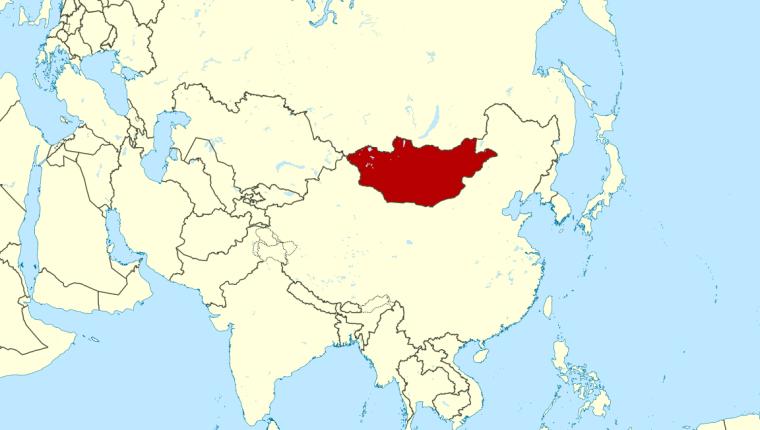
Mongolia, as a landlocked state committed to permanent neutrality, has strategically transformed its Third Neighbor Diplomacy policy into a mechanism for institutional balancing within the Shanghai Cooperation Organization (SCO). This article contends that Mongolia’s engagement is motivated by a dual logic of hedging and leveraging: it aims to reduce strategic and economic dependence on China and Russia while utilizing the SCO platform to enhance the value of its geographic location and resource endowments. Through selective participation, agenda reframing, and institutional nesting, Mongolia actively shapes its observer status to maximize autonomy and influence. The study concludes that Mongolia’s calculated and innovative approach provides a compelling model for how secondary states can convert multilateral institutions into strategic assets, thereby advancing both the theory of institutional balancing and the practice of small-state diplomacy in contested regions.